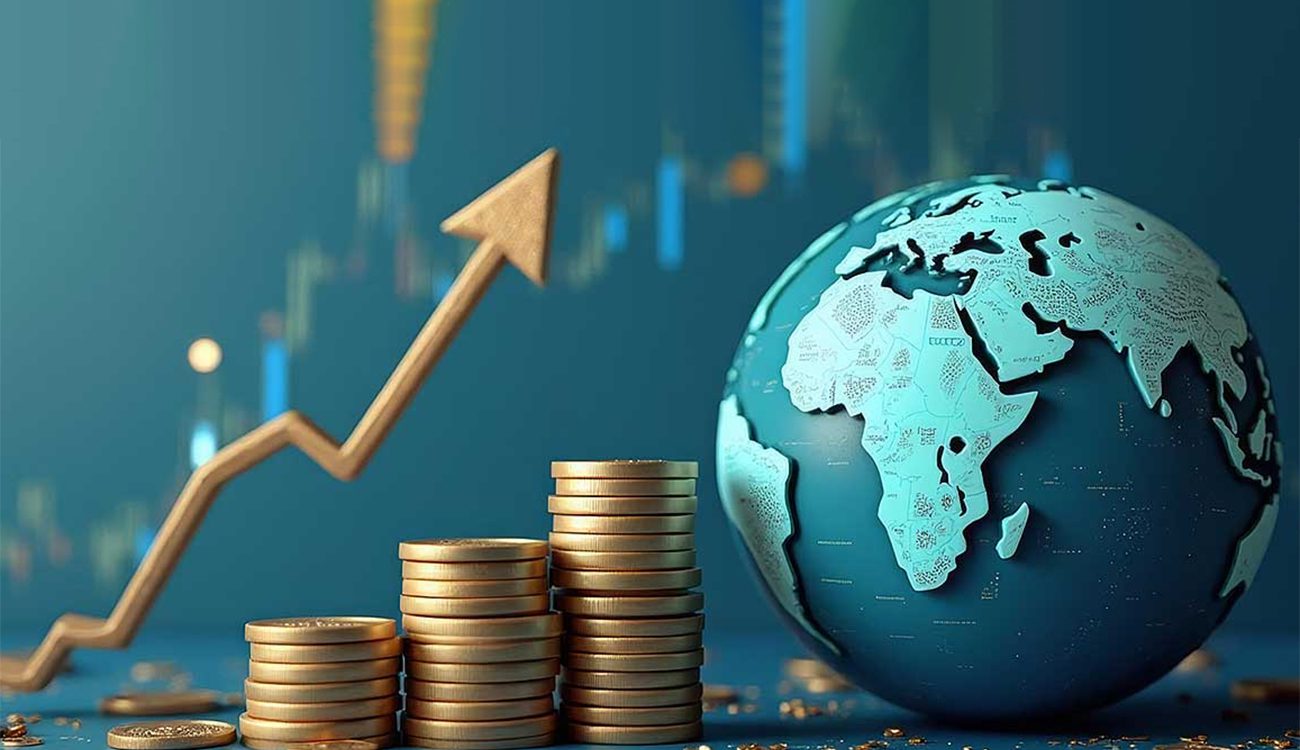
What is often described as a “crisis” is something more precise: a system working exactly as designed — but optimizing the wrong variables.
Capitalism allocates capital efficiently. But it optimizes for: speed, scale, short-term returns, And that is precisely where the imbalance emerges. At the same time:
- supply chains are becoming more fragile
- climate risks are intensifying
inequalities are widening
- social tensions are rising
In other words, the system delivers performance, without fully integrating its own long-term constraints. So the issue is not the market. The issue is what gets valued. Today:
- what generates fast cash is overvalued
- what builds resilience is underpriced
This misalignment creates structural friction: an economy optimized locally, but fragile globally. What we are witnessing is not collapse. It is a rebalancing phase. A gradual shift:
- from short-term to durability
- from efficiency to robustness
- from financial performance to systemic performance
Capitalism is not disappearing. It is adapting under constraint. And as always, systems don’t change first, the rules that govern them do.
Atlas Observer Research Desk
Atlas Observer’s editorial and analytical desk.