Introduction — A Power Shaping the International System
Russia occupies a unique position in international affairs. Through its vast territory, abundant natural resources, military capabilities and historical legacy, it remains one of the principal poles of power in the global system. Although the collapse of the Soviet Union in 1991 profoundly transformed its international influence, the Russian Federation has never abandoned its ambition to preserve its status as a major power, gradually adapting its political, economic, diplomatic and military instruments to an international environment in constant evolution.
Covering approximately 17.1 million square kilometres, Russia accounts for nearly one-eighth of the Earth's land surface. Its territory stretches across eleven time zones, from the Baltic Sea to the Pacific Ocean, physically linking Europe and Asia. This exceptional geographical position makes Russia a continental state—simultaneously European, Asian and Arctic—whose strategic interests extend far beyond those of a regional power. Few countries combine such strategic depth with direct access to the Arctic, the Pacific, Europe, Central Asia, the Caucasus and the Middle East.
This geography has profoundly shaped the development of the Russian state. The absence of significant natural barriers across much of its western frontier has historically facilitated both trade and invasion. As a result, Russian strategic thinking has long emphasised territorial depth, control of surrounding regions and the protection of access routes to its principal political and economic centres. This strategic culture, inherited from both the imperial and Soviet eras, continues to influence contemporary Russian security thinking, although its interpretation and implementation remain subjects of considerable international debate.
Russia is also one of the world's most resource-rich nations. It ranks among the leading global producers of natural gas, crude oil, coal, nickel, palladium, diamonds and uranium. Its immense forests and freshwater reserves represent additional strategic assets in an era increasingly defined by resource competition and the global energy transition. This abundance has supported Russia's economic development while making energy one of the principal instruments of its foreign policy.
From a military perspective, Russia remains one of the few countries capable of projecting strategic influence on a global scale. It possesses the world's largest nuclear arsenal by total number of warheads, a long-established defence industry, significant space capabilities and a permanent seat on the United Nations Security Council with veto power. These attributes ensure that Russia remains a central actor in international strategic stability, particularly in the fields of nuclear deterrence and global security.
Yet Russia's power cannot be understood solely through its military capabilities or geographical scale. Over the past three decades, the country has evolved within an environment characterised by profound structural transformations: the transition from the Soviet system to a market economy, the reorganisation of global value chains, the digital revolution, the global energy transition, demographic ageing, shifting balances of power among major states and the expansion of international economic sanctions.
The war launched against Ukraine in 2022 represents one of the defining geopolitical events of the early twenty-first century. The conflict has fundamentally reshaped European security, accelerated Russia's strategic reorientation toward several non-Western partners, reinforced rearmament policies across numerous countries and contributed to the reconfiguration of global trade, energy and financial flows. Its consequences continue to influence the strategic calculations of governments, businesses and international organisations. This study, however, does not seek to analyse the conflict itself, but rather to place it within the broader structural context of Russian power.
Understanding Russia also requires moving beyond simplified narratives portraying it either as an inevitably declining power or as a state capable of single-handedly overturning the international order. The reality is considerably more nuanced. Russia retains substantial strategic advantages while simultaneously confronting significant structural constraints, including demographic decline, an economy still heavily dependent on natural resources, limited access to certain advanced technologies, productivity challenges and an international economic environment that has been fundamentally reshaped since the early 2020s.
At the same time, the gradual emergence of a more multipolar international system has renewed the strategic importance of states capable of controlling critical resources, securing major trade corridors, maintaining industrial autonomy and sustaining credible deterrence capabilities. In this evolving context, Russia remains a power whose decisions continue to influence far more than its immediate neighbourhood, affecting global energy markets, European security, Asian strategic balances, Arctic governance and the functioning of international institutions.
This article examines Russia in all its complexity by analysing the historical foundations of its power, the characteristics of its political and economic model, its military capabilities, its international strategy and the principal challenges it is likely to face in the decades ahead. The objective is neither to advocate for nor to condemn Russian policies, but rather to provide a documented and balanced analysis of the structural factors that continue to shape the Russian Federation's distinctive position within the international system.
I. Geography, History and the Construction of Russian Power
Russia cannot be understood without recognising the decisive role geography has played in shaping its historical development. More than a simple territorial framework, the Russian landscape has been one of the principal forces influencing its institutions, strategic culture, economic organisation and foreign policy. Many of the enduring characteristics of Russian geopolitical behaviour are rooted as much in geographical realities as they are in political developments over the centuries.
With more than 17 million square kilometres, the Russian Federation is the largest country on Earth. Its territory extends from the exclave of Kaliningrad on the Baltic Sea to the Kamchatka Peninsula facing the North Pacific, spanning eleven time zones across both Europe and Asia. This immense geographical scale provides extraordinary climatic, geological and resource diversity, while simultaneously presenting considerable challenges in terms of governance, infrastructure, territorial cohesion and national security.
Unlike many historical powers, Russia benefits from relatively few natural defensive barriers along much of its western frontier. The vast plains of Eastern Europe have historically facilitated both commerce and invasion. From the Mongol campaigns of the thirteenth century to Napoleon's invasion in 1812 and the German invasion of 1941, several defining moments in Russian history have reinforced the belief that territorial depth is essential to national security.
These historical experiences contributed to the emergence of a strategic culture centred on the creation of buffer zones, the control of surrounding regions and the preservation of defensive depth. Although the practical expression of this approach has evolved under successive political systems, it continues to influence the way Russian decision-makers perceive their security environment. This perception, however, is not universally shared and frequently conflicts with the principles of sovereignty and territorial integrity upheld by many other states.
The origins of the Russian state can be traced to Kievan Rus', the medieval political entity that emerged between the ninth and thirteenth centuries along the major trade routes connecting the Baltic and Black Seas. Following the Mongol invasions and the decline of Kyiv, the Principality of Moscow gradually established itself as the principal political centre of the Russian lands. From the fifteenth century onwards, the rulers of Moscow pursued a continuous policy of territorial expansion that transformed a regional principality into a vast continental empire.
Under the reigns of Ivan IV, Peter the Great and Catherine the Great, Russia expanded simultaneously in several directions. Eastward, the conquest of Siberia opened access to immense natural resources and eventually to the Pacific Ocean. Southward, the Russian Empire sought to secure the Black Sea region and the Caucasus. Westward, it became an increasingly influential participant in the European balance of power, ultimately emerging as one of the continent's leading states.
This expansion created an exceptionally diverse imperial structure. Today, the Russian Federation officially recognises more than 190 ethnic groups, encompassing a wide range of languages, cultures and religious traditions. Although the majority of the population is Russian-speaking and adheres to Orthodox Christianity, the country also includes significant Muslim, Buddhist, Jewish and other religious communities. This diversity represents both a cultural asset and a permanent governance challenge for a federal state composed of more than eighty federal subjects.
The Russian Empire underwent profound transformation during the twentieth century. The Revolution of 1917 brought an end to the imperial regime and led to the creation of the Union of Soviet Socialist Republics (USSR). For nearly seventy years, the Soviet Union stood as one of the world's two superpowers, shaping the bipolar international order of the Cold War alongside the United States.
Rapid industrialisation, centralised economic planning, the development of a powerful military-industrial complex, achievements in space exploration and the establishment of an extensive alliance network transformed the Soviet Union into a global power. This rise, however, came at significant human, political and economic cost and generated structural imbalances that contributed to its weakening during the 1980s.
The dissolution of the Soviet Union in 1991 marked one of the most significant geopolitical turning points of the late twentieth century. Within a matter of months, fifteen independent states emerged, while Russia lost approximately one quarter of Soviet territory, nearly half of its population and a substantial share of its industrial base. The 1990s were characterised by a difficult economic transition, severe inflation, declining living standards and a comprehensive reorganisation of political and economic institutions.
Beginning in the early 2000s, the Russian authorities launched policies aimed at restoring state capacity, stabilising public finances, modernising infrastructure and reinforcing central institutions. This period coincided with a sustained increase in global energy prices, enabling stronger public revenues, the rebuilding of sovereign financial reserves and renewed investment in strategic sectors.
Russia's economic geography remains highly uneven. The European part of the country contains the majority of the population, industrial activity and infrastructure, while Siberia and the Far East hold most of its mineral, energy and forestry resources. This distribution creates significant dependence on major railway corridors, energy infrastructure and logistical networks connecting production regions to domestic and international markets.
The Arctic has become an increasingly important element of Russia's territorial strategy. Climate change is gradually altering navigation conditions along the Northern Sea Route, linking Europe and Asia through Arctic waters. For Russia, this development represents both an economic opportunity—through potentially shorter maritime transport routes—and a strategic priority due to the region's vast reserves of hydrocarbons, critical minerals and marine resources. It also explains the continued expansion of civilian and military infrastructure designed to strengthen Russia's presence across the High North.
Beyond its land frontiers, Russia has historically sought reliable access to open seas. Climatic conditions restrict year-round operations at several northern ports, making the Baltic, Black Sea and Pacific coastlines strategically essential for trade, energy exports and naval operations. The pursuit of permanent maritime access has therefore remained a constant feature of Russian foreign and security policy for centuries.
Finally, contemporary Russia is characterised by a distinctive perception of historical continuity. References to the Russian Empire, the Soviet victory in the Second World War and the role of the modern Russian Federation coexist within the country's national narrative. This continuity reinforces a strategic identity centred on sovereignty, resilience, resistance to external pressure and the preservation of great-power status.
Russian power therefore rests on far more than military capabilities or economic resources alone. It is rooted in a unique combination of geography, history and civilisation that continues to shape the country's political choices and strategic outlook. Understanding these historical foundations is essential before examining the institutions of the Russian state, its model of governance and the mechanisms through which it seeks to exercise influence in international affairs.
II. The Russian State: Institutions, Governance and the Political Model
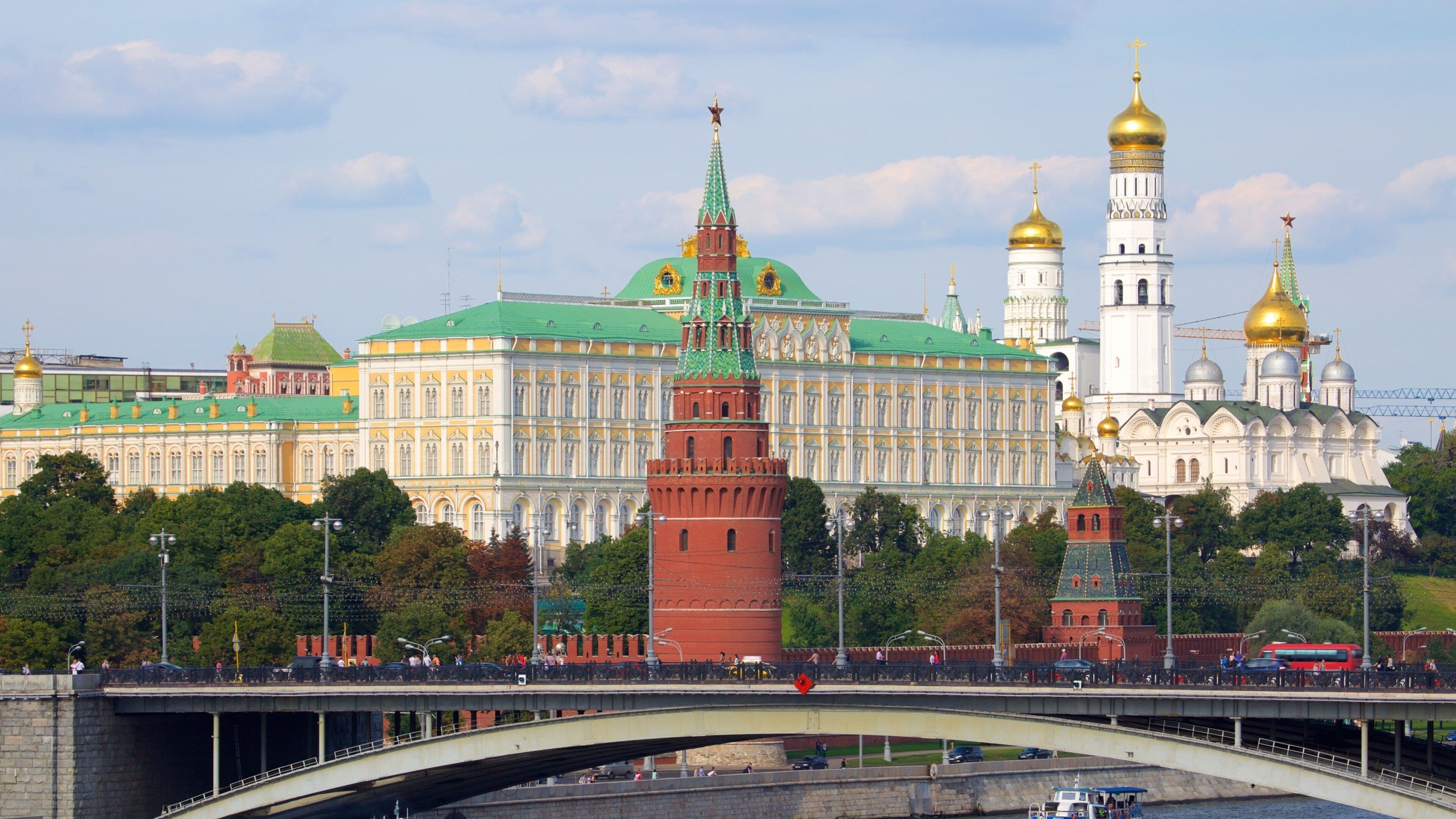
The Russian Federation is today the world's largest federal state. As the successor to both the Russian Empire and the Soviet Union, it established a new institutional framework following the dissolution of the USSR in 1991 to govern an immense territory, a multiethnic population and an economy undergoing profound transformation. Over the past three decades, this institutional system has evolved progressively, strengthening the role of the executive branch and the federal administration in directing public affairs.
The Constitution adopted in 1993 defines Russia as a federal democratic state with a presidential system of government. The President of the Russian Federation occupies a central position within the institutional architecture. As Head of State, guarantor of the Constitution and Supreme Commander-in-Chief of the Armed Forces, the President exercises extensive authority over foreign policy, national security and the appointment of senior civilian and military officials. The Government, led by the Prime Minister, is responsible for the day-to-day administration of public policy, while the Federal Assembly consists of two chambers: the State Duma and the Federation Council. State Duma
In practice, the Russian political system has gradually become characterised by a significant concentration of executive authority. Since the early 2000s, a series of institutional reforms has strengthened the coordinating role of the federal government, increased presidential influence over regional administrations and reinforced the position of the national security institutions within the broader system of governance. Russian authorities present these developments as a response to the political instability, economic crisis and separatist tensions that marked the 1990s.
Conversely, many international observers, organisations and research institutes argue that this centralisation has been accompanied by a reduction in political pluralism, weaker institutional checks and balances, a shrinking space for independent media and increased regulation of civil society. These assessments frequently point to restrictions affecting certain non-governmental organisations, the conditions under which elections are conducted, legal proceedings involving opposition figures and the transformation of the media landscape. Russian authorities consistently reject these interpretations, arguing that they reflect politicised assessments or analytical frameworks that fail to take into account Russia's historical experience and institutional particularities.
This divergence illustrates one of the defining characteristics of contemporary Russia: the coexistence of profoundly different interpretations of its political system. Understanding modern Russia therefore requires distinguishing between the formal functioning of its institutions and the international debates surrounding their operation.
Russia's territorial organisation constitutes another essential component of its governance model. The Federation is composed of more than eighty federal subjects, including republics, oblasts, krais, autonomous districts and several federal cities. This administrative diversity reflects the country's historical, ethnic and geographical complexity. The republics enjoy specific cultural and linguistic competencies designed to preserve regional identities, while the federal authorities retain exclusive responsibility for core sovereign functions such as defence, foreign policy, monetary policy and the country's overall economic strategy.
Administering such an immense territory requires a highly developed state apparatus. Transport infrastructure, energy networks, digital communications and regional administrations all play fundamental roles in maintaining national cohesion. Investments undertaken since the early 2000s in railway corridors, ports, oil and gas pipelines and telecommunications infrastructure have served not only economic objectives but also the broader goal of territorial integration.
The Russian economy is likewise characterised by a substantial state presence in sectors regarded as strategically important. Hydrocarbons, civilian nuclear energy, defence industries, major transport infrastructure and significant parts of the banking sector remain largely controlled by, or closely associated with, the state. This structure distinguishes Russia from many Western market economies while coexisting with a sizeable private sector active in services, manufacturing, information technology, agriculture and commerce.
This economic model is frequently described as state capitalism, reflecting the coexistence of market mechanisms with significant public intervention in sectors considered essential to national sovereignty. Supporters argue that such an approach enables the protection of strategic national interests, strengthens resilience against international crises and facilitates long-term investment. Critics, however, contend that it may reduce competition, weaken economic efficiency and constrain innovation in certain areas.
The concept of sovereignty occupies a central place in contemporary Russian strategic thinking. It extends well beyond territorial independence to encompass control over critical infrastructure, energy production, industrial capabilities, sensitive technologies, financial systems and communications networks. This broader understanding of sovereignty helps explain the policies implemented to strengthen domestic production, develop national technological capabilities and reduce external dependencies, particularly following the expansion of international sanctions.
Internal security also constitutes a major pillar of Russian governance. Intelligence agencies, national security institutions and counterterrorism organisations possess extensive capabilities and occupy a prominent position within the state apparatus. Russian authorities justify this emphasis by citing threats related to terrorism, cyberattacks, separatist movements and regional instability. Other observers argue that this approach has also contributed to increased regulation of political activity, media and digital spaces.
Demographic trends represent one of Russia's most significant long-term challenges. Like many European and Asian countries, Russia faces an ageing population, low birth rates and substantial regional demographic imbalances. Several eastern regions remain sparsely populated despite their abundant natural resources, while major metropolitan centres continue to attract an increasing share of economic activity and investment. Successive governments have introduced programmes aimed at supporting population growth, improving life expectancy and encouraging development in the Far East, with varying levels of success across different regions.
Education, scientific research and industrial development remain central components of Russia's long-term strategy. Inherited from the Soviet era, Russia maintains internationally recognised expertise in mathematics, physics, aerospace engineering, nuclear technology, space science, computer science and numerous engineering disciplines. Nevertheless, restricted access to certain advanced technologies, demographic pressures and growing international competition present increasing challenges to sustaining this scientific and technological base.
Ultimately, the Russian model of governance rests upon a conception of the state as the principal guarantor of political stability, territorial cohesion and national sovereignty. This approach differs significantly from governance models that place greater emphasis on decentralisation or the limitation of state authority, as found in many liberal democracies. It reflects both a distinct historical trajectory and a deliberate political choice made by contemporary Russian leadership.
Understanding this governance model is essential for analysing Russia's broader strategic orientation. The country's economic, diplomatic and military decisions are deeply embedded within this framework of centralisation, sovereignty and strategic autonomy. These principles provide the context for the industrial, energy and defence policies examined in the following chapters.
III. An Economy of Resources in Transition
Russia occupies a distinctive position within the global economy. Owing to the scale of its territory, the abundance of its natural resources and the breadth of its industrial base, it ranks among the world's largest economies in terms of purchasing power parity. Yet its economic structure differs significantly from that of most Western and Asian economies. It rests on a complex combination of extensive natural resources, an industrial sector inherited from the Soviet era, substantial state involvement in strategic industries and an increasing effort to diversify in response to profound changes in the international environment.
Since the early 2000s, hydrocarbon exports have been the principal engine of the Russian economy. Russia is among the world's leading producers of both crude oil and natural gas and possesses some of the largest proven reserves of each. Revenues generated from these resources have financed a significant share of public expenditure, strengthened sovereign financial reserves and supported the modernisation of essential infrastructure. They have also transformed energy into one of Russia's principal instruments of international economic influence.
This dependence nevertheless presents structural limitations. Public finances remain sensitive to fluctuations in global energy prices, while the worldwide energy transition is gradually reshaping long-term demand patterns. Although oil and gas are expected to remain essential components of the global energy mix for decades, Russian policymakers have increasingly sought to strengthen other industrial sectors, even as hydrocarbons continue to account for a substantial share of export revenues.
Beyond oil and gas, Russia possesses an exceptional portfolio of strategic natural resources. It ranks among the world's leading producers of nickel, palladium, platinum, titanium, aluminium, coal, gold, diamonds and uranium. Many of these raw materials are indispensable to global value chains, particularly in battery manufacturing, aerospace, semiconductor production, civilian nuclear energy and defence technologies.
Agriculture has also become a far more significant pillar of the Russian economy than is often recognised. Long regarded as a secondary sector, it has undergone substantial transformation over the past two decades through investment, modernisation and productivity gains. Russia is now one of the world's leading wheat exporters and occupies a prominent position in several international agricultural markets. This development has strengthened its role in global food security, particularly for many countries across Africa, the Middle East and Asia that rely heavily on imported grain.
Manufacturing likewise remains an important component of the Russian economy. Drawing upon the industrial foundations established during the Soviet period, Russia retains internationally recognised expertise in metallurgy, chemicals, aerospace, civilian nuclear technology, shipbuilding, railway engineering and the space industry. Several Russian companies continue to compete successfully in international markets within these sectors, although access to certain advanced technologies has become increasingly constrained following the expansion of trade restrictions.
The defence industry occupies a particularly significant position within this industrial landscape. Beyond its military function, it serves as an important driver of research, technological development and highly skilled employment across numerous regions of the country. For many years, Russian arms exports represented a major source of foreign revenue. While Russian defence equipment continues to equip the armed forces of numerous countries in Asia, the Middle East, Africa and Latin America, recent developments have shifted industrial priorities increasingly towards domestic military requirements.
International sanctions imposed since 2014, and expanded significantly from 2022 onwards, have fundamentally altered Russia's economic environment. These measures affect the banking, financial, energy, technological, industrial and commercial sectors. Access to Western financial markets has become more restricted, numerous international companies have withdrawn from Russia and imports of certain advanced technologies have been significantly curtailed.
These measures have compelled a rapid reorganisation of many economic networks. Russian firms have sought alternative suppliers, developed indirect import mechanisms and expanded commercial relationships with partners outside the Western economic sphere. While these adaptations have not eliminated the economic constraints created by sanctions, they have mitigated some of their most immediate effects.
At the same time, Russian trade has progressively shifted towards Asia. China has become Russia's largest trading partner, while economic relations with India, the United Arab Emirates, Türkiye and several Central Asian countries have expanded considerably. This evolution reflects a broader strategy of diversifying Russia's commercial partnerships.
Energy infrastructure illustrates this transformation particularly clearly. Whereas exports were historically directed primarily towards Europe, new investments have strengthened transportation capacity towards Asian markets. Gas pipelines connecting Russia to China, liquefied natural gas terminals and the development of Arctic shipping routes all form part of this broader strategy of geographical rebalancing.
Russia's financial system has likewise undergone significant adaptation. The Central Bank of the Russian Federation has strengthened monetary stability mechanisms, developed domestic payment systems and encouraged greater use of national currencies in international transactions. These measures aim to reduce dependence on Western financial infrastructure while increasing resilience against sanctions.
Industrial policy has consequently become one of the central priorities of Russian economic strategy. Government support has increasingly focused on sectors considered critical to national sovereignty, including electronics, microelectronics, aerospace, artificial intelligence, robotics, cybersecurity, pharmaceuticals and industrial equipment manufacturing. Results remain uneven across industries, with several sectors continuing to depend heavily on foreign technologies.
Innovation represents one of Russia's most significant long-term challenges. The country possesses a strong scientific tradition and a highly educated workforce in technical disciplines, yet the translation of scientific research into large-scale industrial innovation remains inconsistent. Difficulties in accessing advanced semiconductor components, specialised software and high-technology manufacturing equipment have intensified these challenges.
Demographic developments also influence Russia's long-term economic outlook. A gradually shrinking working-age population, demographic ageing and pronounced regional disparities are creating increasing pressure on labour markets. Several industrial sectors already face workforce shortages, while some remote regions continue to struggle to attract and retain highly qualified professionals.
Infrastructure remains a fundamental issue for a country of such extraordinary geographical scale. Investment in rail networks, Eurasian transport corridors, ports, digital infrastructure and energy systems serves not only to stimulate economic growth but also to reinforce national territorial integration. The development of the Russian Far East and the Arctic has become one of the country's principal long-term strategic priorities.
The Russian economy therefore presents a striking paradox. On the one hand, it possesses a combination of structural advantages rarely found within a single nation: vast natural resources, a diversified industrial base, a competitive agricultural sector, significant scientific expertise and considerable strategic autonomy across several key industries. On the other hand, it continues to face substantial challenges, including persistent dependence on commodity exports, demographic pressures, restricted access to advanced technologies, the need for greater economic diversification and an international environment characterised by sustained geopolitical tensions.
These characteristics explain why Russia remains such an unusual economic power. Its future trajectory will depend not only on its ability to modernise its productive base but also on broader developments in the international environment, the global energy transition, technological innovation and the continuing reconfiguration of international trade. Rather than representing a static economic model, contemporary Russia should be understood as an economy undergoing profound adaptation, seeking to preserve its comparative advantages while responding to the structural transformations of the twenty-first century.
IV. Military Power and Strategic Doctrine
Russia remains one of the world's foremost military powers. Although its economic weight is smaller than that of the United States, China or the European Union as a whole, it continues to possess an armed force capable of exerting global strategic influence. This distinctive position rests on several complementary pillars: a first-tier nuclear deterrent, a long-established defence industry, an extensive military tradition, advanced capabilities across multiple strategic technologies and a culture of long-term military planning inherited from centuries of state development.
For Russian policymakers, military power is not viewed solely as an instrument of war. It is equally regarded as a means of deterrence, the protection of national sovereignty, the defence of strategic interests and the preservation of Russia's status as a major power. This perspective explains why defence expenditure continues to occupy a prominent place in national policy despite the economic constraints facing the country.
A Doctrine Centred on Deterrence
Since the end of the Cold War, Russian military doctrine has undergone several significant transformations. The years immediately following the dissolution of the Soviet Union were marked by a substantial reduction in military capabilities, reflecting the severe economic crisis and institutional challenges of the 1990s.
Beginning in the early 2000s, however, Russia launched an ambitious programme of military modernisation. Its objectives included increasing the professionalisation of the armed forces, improving operational mobility, renewing major equipment, strengthening intelligence capabilities and adapting military structures to the changing nature of modern warfare.
Contemporary Russian military doctrine rests upon several fundamental principles:
- preserving national sovereignty;
- preventing aggression against Russian territory;
- maintaining strategic parity with the other major nuclear powers;
- protecting Russian interests in regions considered strategically important;
- developing conventional forces capable of rapid deployment across multiple theatres of operation.
This approach reflects the belief that national security depends not only on the ability to defeat an adversary in conflict but also on the capacity to deter potential aggression before it occurs.
The World's Largest Nuclear Arsenal
The cornerstone of Russian military power remains its nuclear capability. Together with the United States, Russia possesses one of the two largest nuclear arsenals in existence. Collectively, the two countries account for the overwhelming majority of the world's nuclear warheads. Russia's strategic deterrent is built upon the nuclear triad, comprising:
- land-based intercontinental ballistic missiles;
- nuclear-powered ballistic missile submarines;
- strategic bombers capable of delivering nuclear weapons.
This diversified structure ensures a credible second-strike capability even in the event of a large-scale first strike by an adversary. The principle of mutually assured deterrence has remained one of the foundations of global strategic stability for more than six decades. In recent years, Moscow has invested heavily in a new generation of strategic systems, including:
- hypersonic missiles;
- hypersonic glide vehicles;
- new intercontinental ballistic missiles;
- long-range nuclear-powered underwater systems;
- modernised cruise missiles.
These programmes reflect Russia's efforts to respond to evolving missile defence systems and the rapid technological advances occurring among other major military powers.
Modernisation of Conventional Forces
Beyond its nuclear capabilities, Russia's conventional forces have undergone extensive modernisation since the beginning of the twenty-first century.
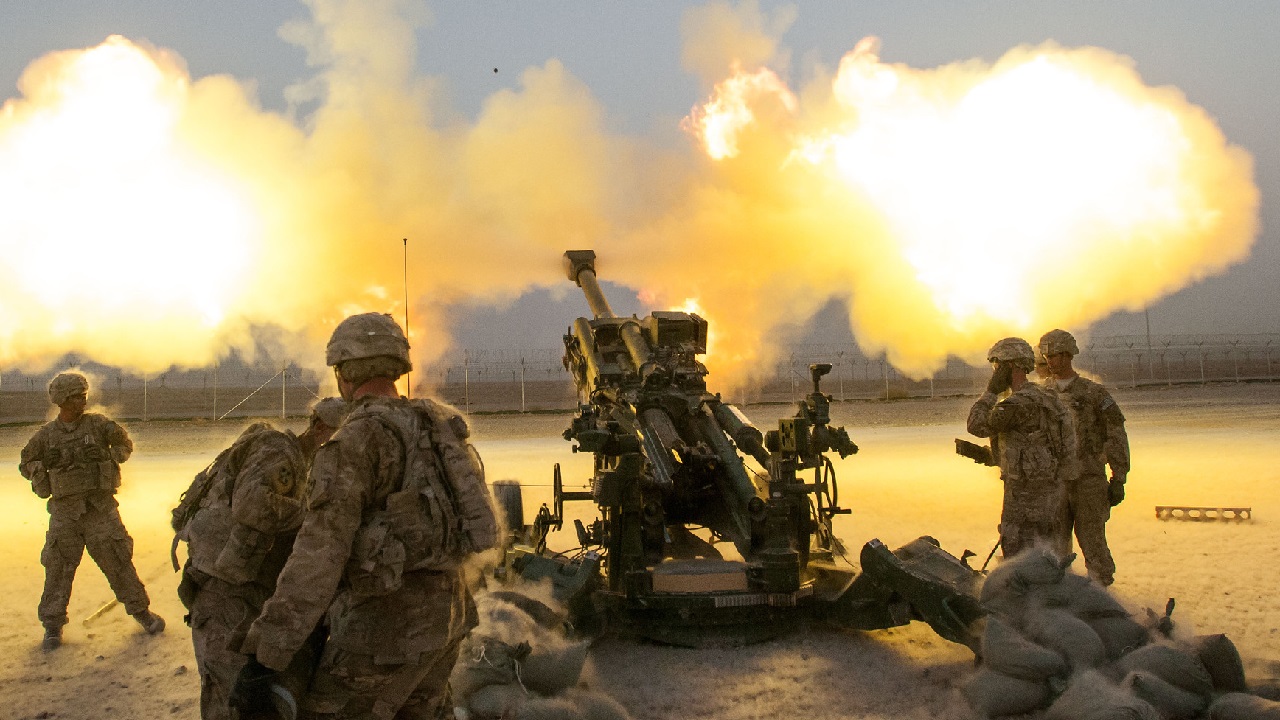
The Ground Forces have benefited from the introduction of new armoured vehicles, artillery systems, combat platforms and command-and-control capabilities.
The Aerospace Forces operate modern combat aircraft, sophisticated integrated air-defence systems and a strategic bomber fleet.
Although facing certain industrial constraints, the Russian Navy continues to modernise its nuclear submarine fleet, frigates, anti-ship missile systems and maritime projection capabilities.
Russian integrated air-defence systems are widely regarded as among the most capable in the world and represent a central component of the country's defensive strategy.
Russia has also invested significantly in:
- electronic warfare;
- unmanned aerial systems;
- precision-guided weapons;
- military space capabilities;
- intelligence, surveillance and reconnaissance systems.
This diversification reflects the evolution of contemporary warfare, in which information, communications and digital technologies have become as strategically important as conventional military equipment.
The Defence Industry: A Strategic Asset
Russia's military-industrial complex represents one of the most significant legacies of the Soviet era. Hundreds of public and private enterprises are involved in the design and production of:
- military aircraft;
- helicopters;
- armoured vehicles;
- missile systems;
- radar technologies;
- submarines;
- advanced electronic systems;
- space technologies.
This sector employs hundreds of thousands of highly skilled professionals and serves as a major driver of scientific research and technological innovation.
Historically, Russia ranked among the world's leading exporters of military equipment. Russian-made systems continue to equip the armed forces of numerous countries across Asia, the Middle East, Africa and Latin America.
Since the outbreak of the war in Ukraine, however, industrial priorities have shifted increasingly towards domestic military requirements, altering the composition and scale of Russian defence exports.
Lessons from the War in Ukraine
The conflict initiated in Ukraine in 2022 represents Russia's most significant military engagement in several decades. Beyond its profound humanitarian and geopolitical consequences, the war has become an unprecedented case study in the evolution of contemporary warfare. Several major lessons have emerged.
The first concerns the return of large-scale, high-intensity warfare. Unlike many of the limited expeditionary operations that characterised previous decades, the conflict has required the mobilisation of substantial manpower, artillery, ammunition, armoured formations and industrial production capacity.
A second lesson is the transformative role of unmanned systems. Their widespread use has fundamentally altered reconnaissance, targeting and strike operations while significantly reducing the cost of certain military missions.
The conflict has also highlighted the growing importance of satellite systems, secure communications, electronic warfare and cyber capabilities.
Finally, it has demonstrated that technological superiority alone is insufficient to guarantee rapid military success. Industrial capacity, logistics, ammunition production, manpower reserves and economic resilience have once again become decisive factors in prolonged conflicts. These observations are already influencing military doctrines well beyond Russia itself.
Space and Cyber Capabilities
Russian military power extends beyond conventional armed forces. Russia remains one of the world's leading space powers through its long-standing expertise in launch vehicles, military satellites, satellite navigation systems and Earth observation technologies. Space has become an essential operational domain supporting:
- military communications;
- intelligence gathering;
- navigation;
- missile guidance;
- early-warning systems.
At the same time, cyber capabilities have assumed increasing importance within Russia's national security strategy. Like other major powers, Russia now regards cyberspace as a distinct operational domain alongside land, sea, air and space.
A Strategy of Strategic Depth
One of the enduring characteristics of Russian military thought remains its emphasis on strategic depth. This concept encompasses several interconnected dimensions:
- territorial depth;
- layered defence;
- protection of critical infrastructure;
- industrial self-sufficiency;
- energy resilience;
- national mobilisation capacity.
This approach reflects the belief that modern conflicts extend far beyond the battlefield itself. They encompass economic systems, infrastructure, technology, information, diplomacy and society as a whole.
From this perspective, national security is understood as a comprehensive system combining military capability, economic stability, technological sovereignty and political cohesion.
A Military Power Facing New Challenges
Despite its substantial capabilities, Russia confronts several structural challenges. Human and material losses sustained during the war in Ukraine, the need to replace and modernise equipment, budgetary constraints, limited access to certain advanced Western technologies and long-term demographic trends all influence future military planning.
At the same time, rapid technological innovation continues to transform the strategic environment. Artificial intelligence, autonomous systems, hypersonic weapons, quantum computing, cognitive warfare and the militarisation of space are reshaping the nature of great-power competition.
Russia is therefore seeking to preserve the credibility of its strategic deterrent while adapting its armed forces to these emerging realities. Although nuclear deterrence remains, according to official doctrine, the ultimate guarantor of national security, the future effectiveness of Russian military power will also depend upon its ability to maintain a competitive industrial base, integrate new technologies and incorporate the operational lessons of contemporary warfare.
V. Russia in the Emerging World Order: Rivalries, Partnerships and the Reconfiguration of Power
Russia's foreign policy is rooted in a vision of the international system that has been profoundly shaped by the transformation of global affairs since the end of the Cold War. From the perspective of the Russian leadership, the collapse of the Soviet Union did not merely lead to territorial fragmentation; it also ushered in a period of Western predominance, centred on the United States and its allies. Since the beginning of the twenty-first century, Moscow has increasingly argued that this era is gradually giving way to a multipolar international order in which several centres of power coexist, compete and cooperate.
This interpretation influences virtually every aspect of Russian diplomacy. The country's stated objective is to preserve its strategic autonomy, reduce external dependencies and promote an international balance based on multiple major powers rather than a single dominant actor. This vision shapes Russia's relations with both its long-standing partners and the emerging powers with which it seeks closer cooperation.
A Relationship with the West Marked by Lasting Tensions
Relations between Russia and the Western world have undergone profound transformation over the past three decades. During the 1990s, part of the Russian political leadership envisioned the possibility of a gradual rapprochement with Euro-Atlantic institutions. However, a succession of developments progressively undermined this prospect: the successive enlargements of NATO into Central and Eastern Europe, disagreements over international military interventions, the crises in Georgia and later Ukraine, and the progressive expansion of economic sanctions.
Since 2022, this deterioration has reached its most serious level since the end of the Cold War. Diplomatic relations remain limited, economic cooperation has been significantly reduced and energy exchanges between Russia and much of Europe have been fundamentally restructured.
From the perspective of Western governments, these developments are primarily a consequence of Russia's military actions and the need to uphold the principles of international law and state sovereignty.
From the perspective of the Russian authorities, they reflect a broader Western strategy aimed at weakening Russia over the long term and limiting its strategic influence. This divergence of interpretation has become one of the defining characteristics of contemporary international relations.
China: A Strategic Partnership Without a Formal Alliance
While relations with the West have deteriorated, cooperation between Russia and China has expanded considerably. The two countries share several strategic interests:
- promoting a multipolar international order;
- expanding bilateral trade;
- strengthening energy cooperation;
- coordinating diplomatic positions within international organisations.
China has become Russia's largest trading partner. Russian exports of hydrocarbons, minerals and agricultural products to China have increased significantly, while Chinese companies now play a growing role across several sectors of the Russian economy. Cooperation also extends to:
- infrastructure development;
- selected technological sectors;
- space exploration;
- joint military exercises;
- diplomatic coordination.
Nevertheless, the relationship remains fundamentally pragmatic. It does not constitute a formal military alliance comparable to NATO. The interests of the two countries do not always coincide, particularly regarding Central Asia, the Arctic and certain economic issues. Rather than political integration, the Sino-Russian relationship is best understood as a strategic partnership based on converging interests.
The BRICS: A Major Diplomatic Platform
Russia attaches increasing importance to organisations representing emerging economies. The BRICS grouping has become one of the principal instruments of this strategy. Its recent enlargement has further increased its demographic, economic and energy significance. For Moscow, this evolution offers several advantages:
- diversification of economic partnerships;
- expansion of trade conducted in national currencies;
- greater financial cooperation;
- enhanced diplomatic coordination;
- the development of institutions complementary to those traditionally dominated by Western economies.
Russia also supports the continued development of the New Development Bank as well as initiatives aimed at strengthening financial cooperation among member states.
Although the BRICS remain a highly diverse grouping with differing national interests, they illustrate the broader aspiration among many emerging powers to establish autonomous platforms for international cooperation.
Central Asia: A Historic Strategic Hinterland
Central Asia continues to occupy a special place in Russian foreign policy. Historical, linguistic, economic and security ties inherited from the Soviet period remain significant across much of the region. Russia maintains:
- military cooperation agreements;
- economic partnerships;
- energy investments;
- logistical infrastructure.
However, its influence is increasingly complemented—and in some areas challenged—by China's expanding economic presence, Türkiye's growing regional engagement and the increasingly independent foreign policies pursued by the Central Asian states themselves.
The region is therefore evolving from a traditional sphere of influence into an arena of broader geopolitical and economic competition.
The Middle East: A Diplomacy of Strategic Balance
Over the past fifteen years, Russia has significantly expanded its diplomatic presence in the Middle East. It maintains working relationships with actors whose interests often diverge, including:
- Iran;
- Israel;
- Saudi Arabia;
- the United Arab Emirates;
- Türkiye;
- several Arab states.
This ability to engage simultaneously with competing regional powers has become one of the defining characteristics of Russian diplomacy in the Middle East.
In the energy sector, cooperation with major oil-producing countries—particularly through the OPEC+ framework—has played an important role in coordinating production policies and contributing to relative stability in global oil markets.
An Expanding Presence in Africa
Africa has become an increasingly important component of Russia's external strategy. Its engagement is based on several complementary areas:
- military cooperation;
- defence exports;
- energy partnerships;
- civilian nuclear technology;
- mining activities;
- agricultural cooperation;
- higher education.
Russia seeks to deepen its relationships with a growing number of African states at a time when the continent has become a major arena of international competition among global powers. The successive Russia–Africa summits illustrate Moscow's intention to institutionalise these partnerships.
Nevertheless, Russian influence varies considerably from one country to another and continues to coexist with that of numerous other international actors, including China, the European Union, the United States, Türkiye and the Gulf states.
The Arctic: A New Strategic Frontier
Few regions illustrate the geopolitical transformations of the twenty-first century as clearly as the Arctic. Russia possesses the world's longest Arctic coastline. This region encompasses several major strategic issues:
- hydrocarbons;
- critical minerals;
- fisheries;
- emerging maritime routes;
- military infrastructure.
The gradual development of the Northern Sea Route has the potential to reshape part of global trade between Europe and Asia. For Moscow, the Arctic represents both a major economic opportunity and a strategic space requiring a sustained national presence.
This priority explains substantial investment in ports, military installations, nuclear-powered icebreakers and logistical infrastructure.
International Organisations
Despite current geopolitical tensions, Russia remains an influential participant in several international organisations. Its permanent seat on the United Nations Security Council provides veto power that continues to shape the management of major international crises. Russia also plays an active role within several regional and multilateral organisations, including:
- Shanghai Cooperation Organisation;
- Eurasian Economic Union;
- the BRICS;
- the G20.
These institutions enable Russia to preserve significant diplomatic influence despite strained relations with many Western countries.
A Power Undergoing Strategic Reorientation
Russian foreign policy reflects the broader transformation of the international system. For several decades, global economic activity was largely structured around the major Western economies.
Today, the rise of Asia, the emergence of new economic centres and the diversification of international partnerships are encouraging Russia to reorient its global strategy.
This evolution does not imply the disappearance of rivalry with the West. Rather, it reflects the expansion of Russia's diplomatic and economic engagement towards a wider range of international partners.
The long-term success of this strategy will depend upon numerous factors: the evolution of the war in Ukraine, the future of Sino-American relations, the global energy transition, technological innovation, commodity markets and demographic change.
Whatever the precise trajectory, Russia is likely to remain a central actor in the geopolitical landscape of the twenty-first century. Its future influence will depend on its ability to combine military capability, natural resources, diplomatic engagement and economic modernisation within an increasingly fragmented and multipolar international order.
VI. Structural Challenges of the Twenty-First Century
Russia remains one of the world's principal strategic powers, yet like every major state it faces a series of long-term structural challenges that will shape its trajectory over the coming decades. While military capabilities, natural resources and geopolitical influence continue to constitute significant strengths, demographic trends, economic transformation, technological competition and environmental change are redefining the conditions under which national power is exercised.
Understanding Russia's future therefore requires looking beyond current geopolitical tensions and examining the deeper structural forces that will determine its capacity to preserve its position within an increasingly competitive international system.
Demographic Decline: A Long-Term Strategic Challenge
Demography is widely regarded as one of Russia's most significant long-term challenges. Like many developed and emerging economies, Russia faces a combination of:
- declining birth rates;
- an ageing population;
- regional demographic imbalances;
- labour shortages in certain sectors.
Although public health indicators have improved in several areas compared with the difficult transition period of the 1990s, the country's demographic outlook remains a major concern for policymakers. Population density is also highly uneven.
The European part of Russia contains the overwhelming majority of the population, while the vast territories of Siberia and the Far East remain sparsely inhabited despite their exceptional natural resources.
This imbalance creates strategic challenges relating to infrastructure, regional development, labour availability and the long-term economic integration of these territories.
Successive governments have introduced family support policies, financial incentives, healthcare reforms and regional development programmes intended to stabilise demographic trends.
The long-term effectiveness of these measures remains uncertain and will depend upon broader economic and social developments.
Economic Diversification
Another central challenge concerns the diversification of the Russian economy. Despite considerable industrial capabilities, hydrocarbons continue to account for a substantial share of export revenues and public finances.
Global efforts to reduce carbon emissions, together with the gradual transformation of international energy markets, are likely to reshape demand for fossil fuels over the coming decades.
Russia therefore faces the strategic necessity of expanding sectors capable of generating long-term growth beyond energy production. Priority areas include:
- advanced manufacturing;
- information technologies;
- artificial intelligence;
- civilian aerospace;
- pharmaceuticals;
- robotics;
- digital infrastructure.
The country already possesses recognised scientific expertise in many of these fields. The principal challenge lies in translating research capacity into internationally competitive industrial production.
Technology and Strategic Sovereignty
Technological competition has become one of the defining characteristics of twenty-first-century geopolitics. Artificial intelligence, semiconductors, quantum computing, cybersecurity, biotechnology and advanced telecommunications increasingly influence economic competitiveness as well as national security.
Russia has identified technological sovereignty as a strategic objective. Government programmes aim to reduce dependence on imported technologies, strengthen domestic research capabilities and support national production across critical sectors.
However, restricted access to certain advanced technologies, international sanctions and growing global competition continue to complicate these efforts.
Future competitiveness will depend not only upon scientific excellence but also upon the country's capacity to commercialise innovation, attract investment and integrate research into industrial production.
- The Arctic: Opportunity and Responsibility
Climate change is transforming the strategic importance of the Arctic. Rising temperatures are progressively increasing the navigability of northern maritime routes while improving access to previously inaccessible natural resources. For Russia, this evolution presents significant opportunities:
- development of the Northern Sea Route;
- expansion of Arctic infrastructure;
- increased energy production;
- extraction of critical minerals;
- enhanced maritime connectivity between Europe and Asia.
At the same time, these developments create new responsibilities. Environmental protection, infrastructure resilience, emergency response capabilities and international cooperation on Arctic governance are becoming increasingly important.
Balancing economic development with environmental sustainability will represent one of the principal challenges of Russia's Arctic strategy.
Society and Human Capital
Long-term national power depends not only on military strength or economic output but also on the quality of human capital.
Russia possesses internationally recognised educational traditions in mathematics, engineering, physics, medicine and numerous scientific disciplines.
Preserving these strengths while encouraging innovation, entrepreneurship and technological adaptation remains essential for future competitiveness. Several factors will influence this evolution:
- education;
- research funding;
- workforce productivity;
- regional development;
- international scientific cooperation.
Human capital increasingly constitutes one of the decisive strategic resources of modern states.
Russia in an Evolving International Environment
The international environment itself represents one of the greatest uncertainties facing Russia. Several long-term trends are reshaping global affairs simultaneously:
- the rise of Asia;
- technological rivalry among major powers;
- energy transition;
- demographic change;
- fragmentation of global supply chains;
- increasing competition for critical resources.
Russia will need to adapt continuously to these structural transformations while preserving strategic flexibility. Its extensive territory, abundant resources and geopolitical position provide significant advantages, yet these alone cannot guarantee long-term prosperity or influence.
Institutional adaptability, technological progress and economic modernisation will become increasingly important determinants of national power.
Possible Future Scenarios
Although the future cannot be predicted with certainty, several broad scenarios illustrate the range of possible developments. The first scenario is one of successful modernisation.
In this case, Russia succeeds in diversifying its economy, strengthening technological innovation, improving productivity and consolidating its partnerships across Asia, Africa and other emerging regions. Its strategic autonomy would be reinforced while maintaining its status as one of the principal poles of the international system.
A second scenario involves prolonged stabilisation under persistent external constraints. Russia would preserve its military capabilities and geopolitical influence while experiencing moderate economic growth and gradual adaptation to a changing international environment. This trajectory would imply continuity rather than transformation.
A third scenario envisages a progressive erosion of strategic capacity. Demographic decline, insufficient diversification, technological lag and sustained geopolitical isolation could gradually reduce Russia's relative influence despite its considerable natural advantages. Reality will most likely incorporate elements from each of these scenarios. History demonstrates that major powers rarely follow linear trajectories.
Their evolution reflects the interaction of domestic reforms, technological innovation, international competition and unforeseen geopolitical events.
A Power Whose Future Remains Open
Russia enters the second quarter of the twenty-first century with substantial strengths as well as significant structural constraints.
Its territory, natural resources, military capabilities, scientific expertise and diplomatic influence ensure that it will remain an indispensable actor in international affairs.
At the same time, demographic evolution, technological transformation, economic diversification and changing geopolitical dynamics will increasingly shape the country's future.
Ultimately, Russia's long-term position will depend less on the preservation of past advantages than on its ability to adapt successfully to a rapidly changing world.
As with every major power throughout history, resilience will derive not only from accumulated resources but also from the capacity to innovate, modernise and respond effectively to the structural challenges of a new international era.
Selected Bibliography and Reference Works
The following sources were used to document the historical, economic, geopolitical, strategic and institutional dimensions of this analysis. They include official publications from international organisations, recognised research institutes and major academic references on Russia and international relations.
- International Institutions
- United Nations
- World Bank
- International Monetary Fund
- Organisation for Economic Co-operation and Development
- World Trade Organization
- United Nations Conference on Trade and Development
- Energy, Natural Resources and the Environment
- International Energy Agency
- Organization of the Petroleum Exporting Countries
- Food and Agriculture Organization of the United Nations
- World Nuclear Association
- Arctic Council
- Defence, Security and Strategic Affairs
- Stockholm International Peace Research Institute
- International Institute for Strategic Studies
- North Atlantic Treaty Organization
- United Nations Office for Disarmament Affairs
- Governance, Innovation and Regional Cooperation
- Organization for Security and Co-operation in Europe
- World Intellectual Property Organization
- Shanghai Cooperation Organisation
- Eurasian Economic Union
- Selected Academic References
- The Grand Chessboard — Zbigniew Brzezinski
- The Revenge of Geography — Robert D. Kaplan
- Prisoners of Geography — Tim Marshall
- The Tragedy of Great Power Politics — John J. Mearsheimer
- The Sleepwalkers — Christopher Clark
- Russia and the New World Disorder — Bobo Lo
Editorial Note
This article seeks to provide a long-term analytical perspective on Russia by combining historical context, economic analysis, geopolitical assessment and strategic considerations. It does not advocate for any political position or national interest. Its objective is to present the structural factors shaping the Russian Federation's trajectory within the evolving international system, drawing on recognised institutional data, academic research and documented geopolitical analysis, in accordance with Atlas Observer's editorial methodology.
Atlas Observer Research Desk
Atlas Observer’s editorial and analytical desk.