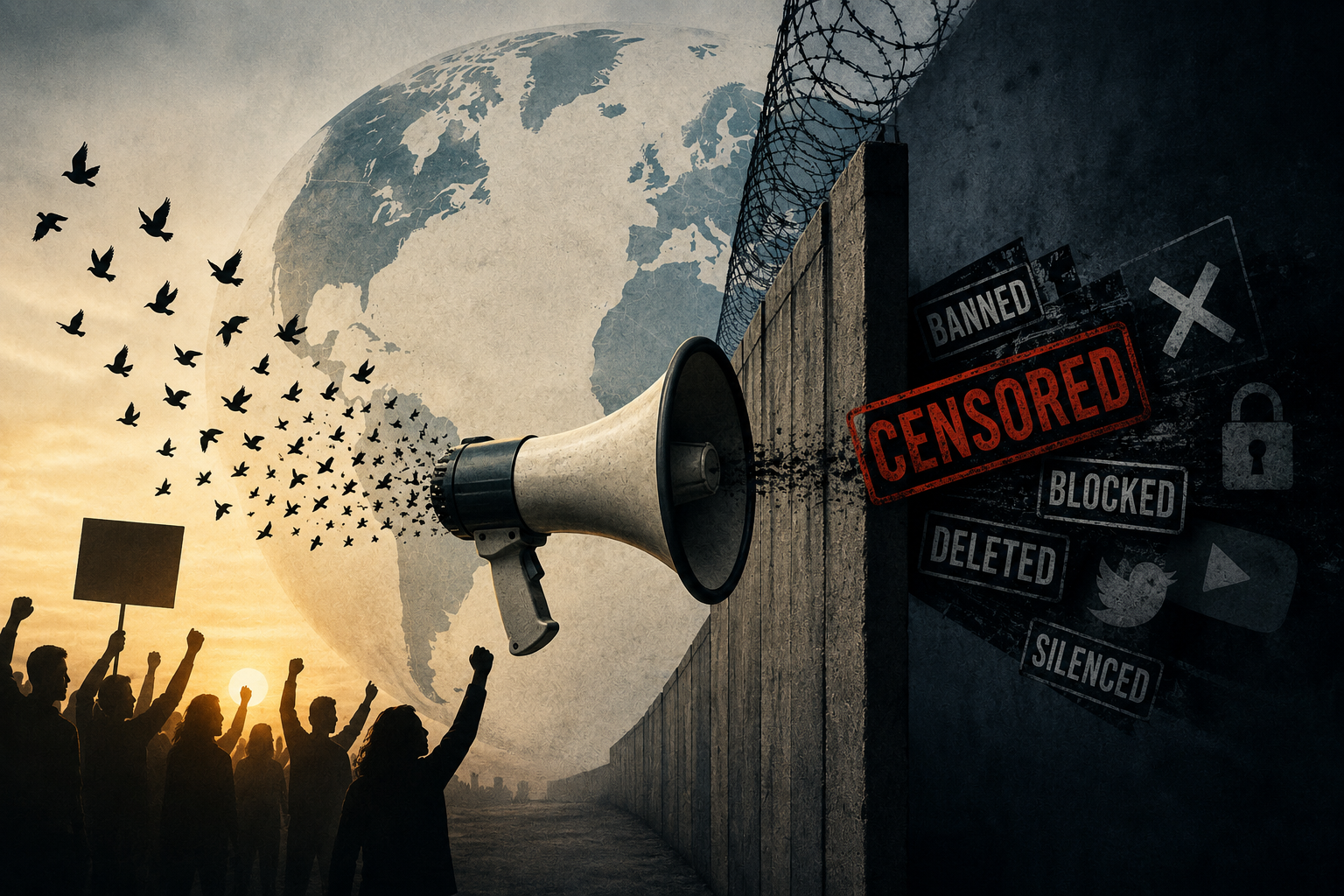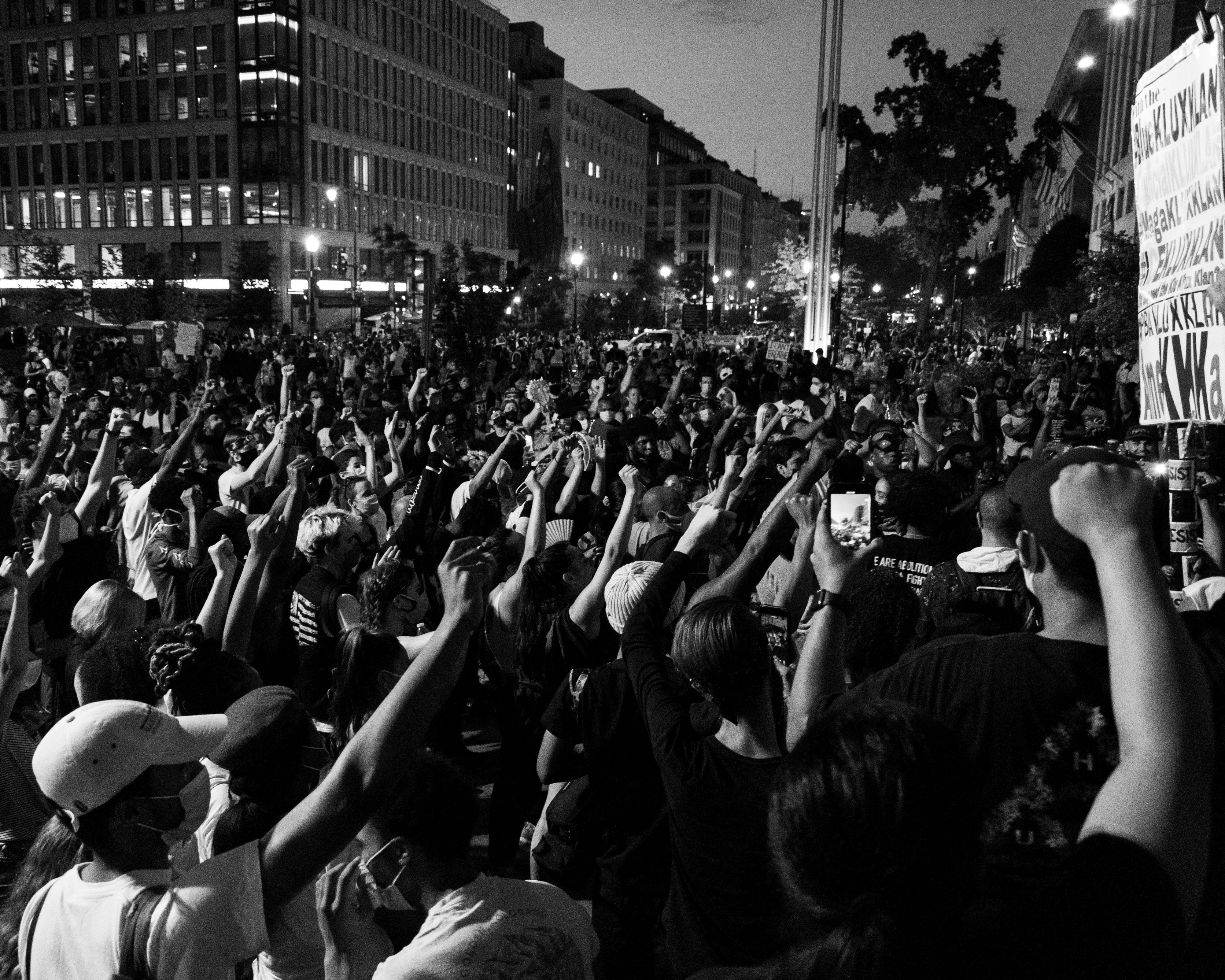
Social cleavages are not an accident of the system — they are often a product of it. The question, therefore, is not simply how to reduce them, but how public policies interact with them: do they genuinely correct them, or structurally organize them?
A foundational promise: correcting inequalities
In their normative design, public policies pursue a redistributive objective. Progressive taxation, social transfers, and universal access to essential services are intended to reduce disparities in income and opportunity. In practice, some mechanisms do produce tangible effects:
- reduction in monetary poverty
- broader access to education and healthcare
- social stabilization through solidarity mechanisms
But this perspective remains incomplete.
A more ambivalent reality: trade-offs and asymmetries
Every public policy reflects a compromise between budget constraints, political priorities, and power dynamics. Three structural dynamics emerge:
Imperfect targeting
Redistributive mechanisms often suffer from leakages or exclusions: threshold effects, misidentification of beneficiaries and capture by more informed or organized groups.
Structural biases
Some policies, under the guise of neutrality, implicitly favor certain segments: tax expenditures benefiting higher-income groups, spatial policies reinforcing already dynamic areas or unequal access to economic opportunities.
Political time horizons vs economic effectiveness
Electoral cycles tend to favor visible short-term measures over structural reforms with delayed impact.
The instrumentalization of cleavages: a political lever
Social cleavages can also be actively mobilized. Not necessarily to resolve them, but to:
- structure an electoral base
- legitimize certain budgetary orientations
- polarize public debate
In this context, public policies function as political signals as much as economic instruments. Typical manifestations include:
- highly visible policies with limited real impact
- redistribution targeted at electorally strategic groups
- narratives framing opposition between social categories
Real equity or perceived equity?
A critical issue lies in the gap between objective equity and perceived fairness. A policy may be economically redistributive yet socially contested if: it is perceived as unfair, it lacks clarity or it benefits groups considered “undeserving”. Conversely, some economically inefficient measures can generate a strong sense of fairness. Perception thus becomes a key factor in social stability—or instability.
Toward a structural reading
The question of “instrumentalization or equity” ultimately resists a binary answer. Public policies operate simultaneously on three levels:
- corrective (reducing inequalities)
- structuring (organizing social relations)
- political (managing power and coalitions)
Social cleavages are therefore neither purely mitigated nor purely exploited: they are embedded within a broader architecture where economics, politics, and social perception intersect.
Conclusion
Public policies are not neutral mechanisms of redistribution. They are instruments of governance that arbitrate between equity, efficiency, and stability. The real fault line does not lie between instrumentalization and equity, but in a system’s ability to:
- align actual redistribution with perceived fairness
- limit capture and structural bias
- embed public action within a long-term framework
Without this alignment, social cleavages do not disappear, they reconfigure.
Atlas Observer Research Desk
Atlas Observer’s editorial and analytical desk.