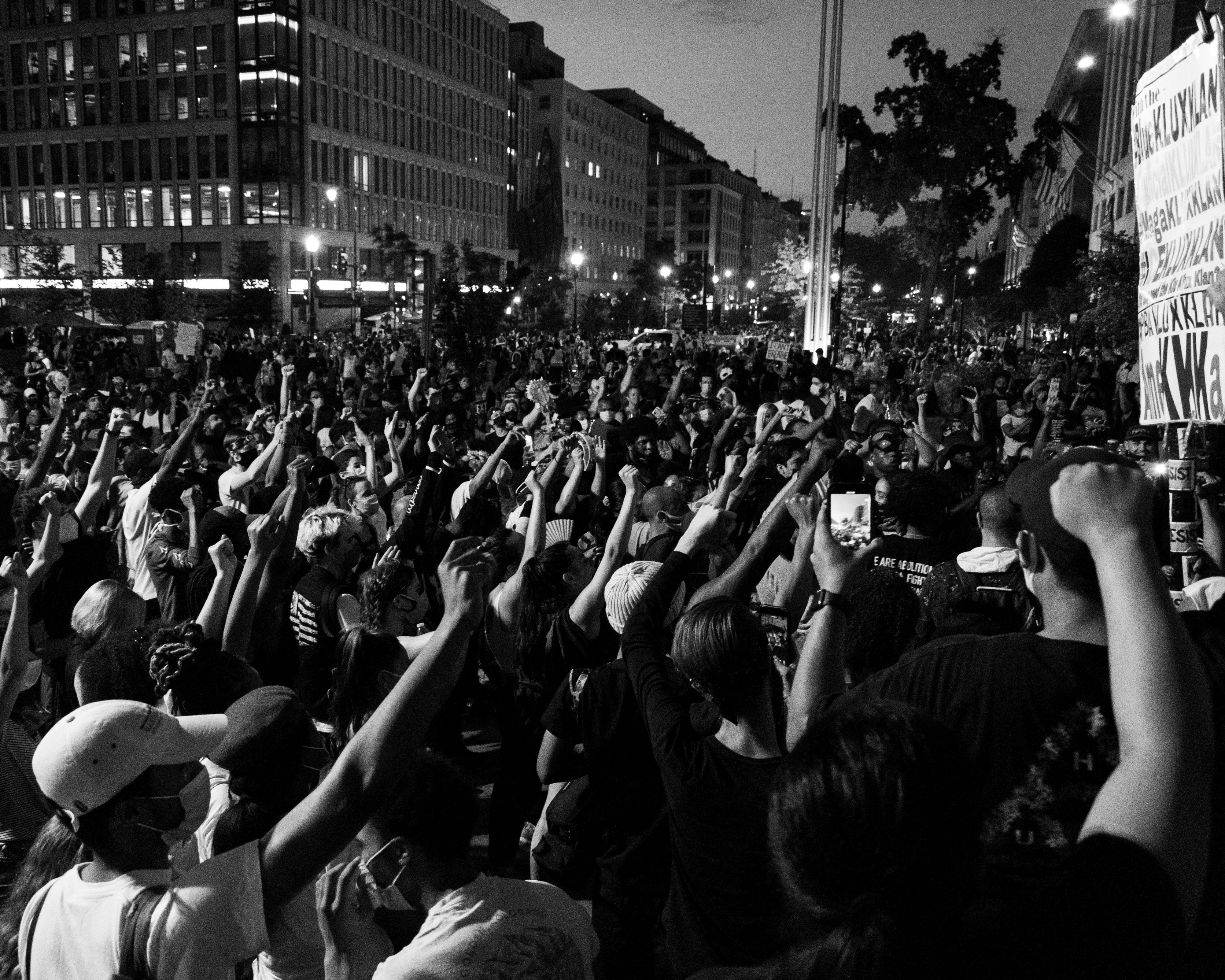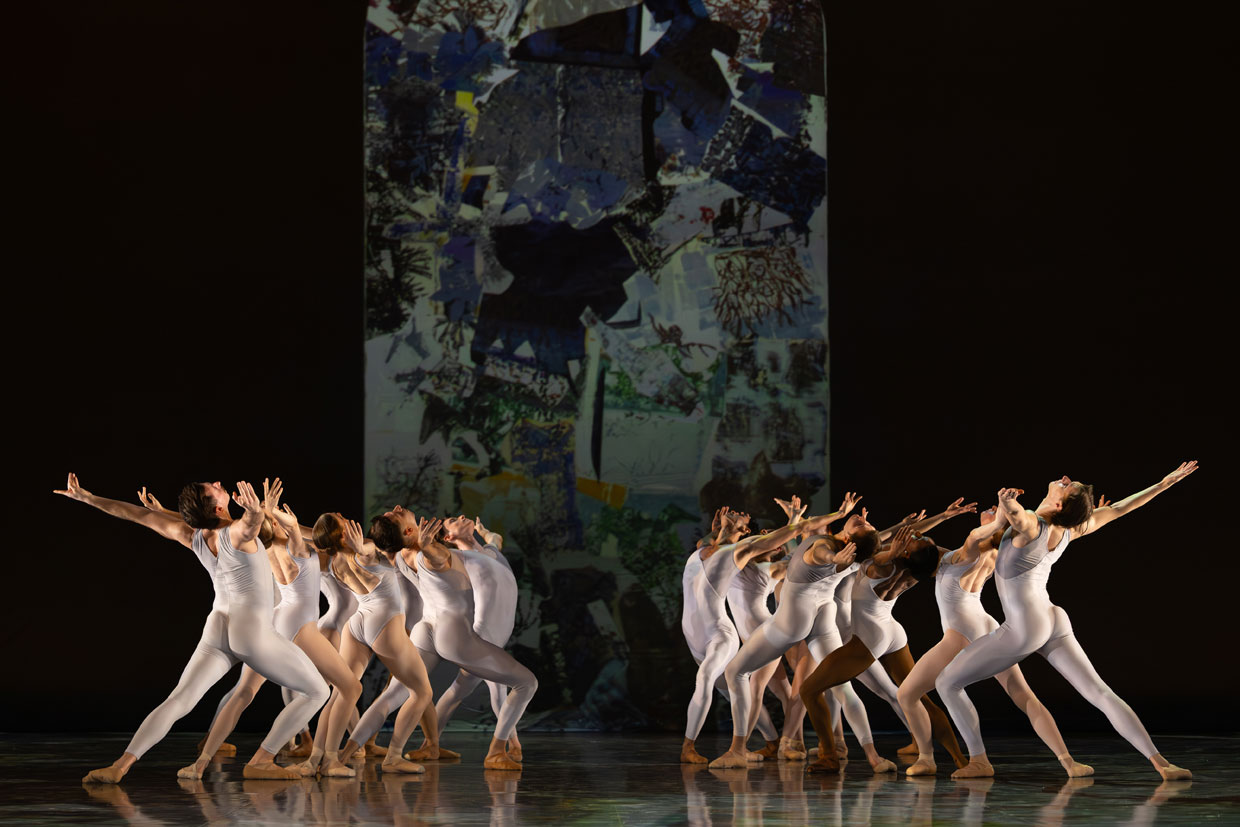
Contemporary political debate often gives the impression of constant movement without genuine progress. Parties advance, retreat, reposition themselves, change their vocabulary, borrow themes from their opponents, and then denounce those same borrowings when the balance of power shifts. Through this accumulation of tactical adjustments, public life begins to resemble less a structured confrontation between competing worldviews than a repetitive choreography in which everyone claims to lead while following a rhythm imposed by others.
The metaphor may appear light, even trivial. Yet it captures something fundamental about the current state of democratic debate. From left to right, political movements repeatedly circle around the same issues, often using the same language, the same indignation, and the same promises of rupture. The differences remain real, but they become increasingly difficult to identify when debate is reduced to a succession of reflexes, postures, and instant reactions.
The left presents itself as the defender of equality, public services, minorities, and social solidarity. The right places greater emphasis on order, individual responsibility, border control, competitiveness, and national continuity. Between these poles, centrist forces attempt to combine market economics with public intervention, while the extremes seek to transform political disagreement into an existential conflict between incompatible visions of society.
In theory, the divide appears clear. In practice, it is far less so.
Left-wing governments have often implemented austerity measures, supported competitiveness, restrained public spending, or accepted the constraints of global markets. Right-wing governments have at times expanded social expenditure, directly supported economic sectors, protected specific groups, or relied heavily on the power of the state. As crises accumulate, principles are adjusted, programmes become more flexible, and ideological boundaries grow increasingly porous.
This does not mean that the left and the right have become identical. It means that the exercise of power acts as a powerful mechanism of transformation. Once confronted with budgetary limits, social conflict, international commitments, economic pressures, and contradictory public expectations, parties discover that governing is less about applying a programme than about arbitrating between incompatible demands.
That is when the dance begins.
The opposition accuses those in power of betraying their promises. The government accuses the opposition of irresponsibility. One side denounces the abandonment of the people; the other insists that slogans cannot govern. With every alternation in power, the roles are reversed. Those who once condemned institutional constraints invoke them once in office. Those who previously defended stability begin demanding immediate rupture. The vocabulary changes, but the mechanism remains the same.
This circularity is reinforced by the transformation of the media environment. Political debate no longer takes place only in parliaments, parties, or traditional media. It now unfolds continuously on social networks, where visibility depends less on the quality of an argument than on its capacity to provoke a reaction. Nuance becomes a disadvantage. Hesitation is interpreted as weakness. Complexity is difficult to condense. The opponent is no longer merely challenged but caricatured, discredited, or turned into a symbol of everything one claims to oppose.
In this environment, the left and the right no longer seek only to persuade. They seek to occupy the field, define the terms of debate, and impose their themes on the opposition. The right speaks about immigration, security, identity, and sovereignty. The left responds to these issues, sometimes by rejecting them, sometimes by reframing them, and sometimes by partially incorporating them into its own discourse. The left emphasises inequality, discrimination, climate policy, and social rights. The right responds in turn, sometimes by contesting the diagnosis, sometimes by offering a more conservative or market-oriented version of the same concerns.
Each side therefore dances with the themes of the other.
The result is paradoxical. The more the camps accuse each other of being incompatible, the more dependent they become on one another. The right needs the left to embody disorder, permissiveness, or excessive spending. The left needs the right to embody injustice, withdrawal, or authoritarianism. The extremes thrive on this polarisation because it allows them to present every compromise as a betrayal and every act of moderation as surrender.
Politics then ceases to be a confrontation between projects and becomes a struggle over the moral definition of the opponent. Debate no longer concerns only what should be done, but the very nature of those who propose something different. One side is portrayed as naive, irresponsible, or complicit in decline. The other is described as selfish, reactionary, or hostile to progress. This permanent moralisation impoverishes public discussion because it turns disagreements into offences and differences into grounds for suspicion.
Yet contemporary societies are too complex to be governed through binary categories. Economies require both competitiveness and protection. Citizens demand lower taxes and better public services at the same time. States must protect individual freedoms while responding to security concerns. They must attract capital without surrendering sovereignty, manage immigration without producing disorder, redistribute wealth without discouraging production, and modernise without dissolving social cohesion.
No political family can resolve these contradictions alone.
The left is right to argue that markets do not spontaneously correct every inequality and that social cohesion requires strong institutions. The right is right to insist that no public policy can endure without wealth creation, fiscal responsibility, and administrative capacity. The left is often more attentive to forms of domination. The right is often more sensitive to risks of disorder. But each becomes blind when it turns its priorities into an absolute truth.
The real dividing line may therefore no longer lie only between left and right. It increasingly separates those who view politics as an exercise in problem-solving from those who reduce it to the constant production of identities, camps, and enemies. It divides those who accept complexity from those who prefer simplification, and those who seek imperfect compromises from those who thrive on the impossibility of compromise itself.
This does not mean political divisions should disappear. A democracy without ideological conflict would be a democracy emptied of substance. Disagreements over taxation, the role of the state, property, security, identity, redistribution, and liberty are legitimate and necessary. But they must produce genuine debate rather than a mere repetition of familiar gestures.
Politics should not be a dance in which each camp takes one step forward, two steps back, turns in circles, and begins again to the applause of its supporters. It should be a space in which ideas are judged by their effects, contradictions are acknowledged, and the exercise of power matters more than the purity of intentions.
From left to right, politics will undoubtedly continue to move. Parties will change strategy, programme, leadership, and language. But as long as political competition relies more on staging conflict than on solving collective problems, the choreography will remain unchanged.
The actors will change places.
The music will continue.
Atlas Observer Research Desk
Atlas Observer’s editorial and analytical desk.