Between Revolutionary Legacy, Economic Constraints and Geopolitical Realignment
On January 1, 1959, the revolutionary forces entered Havana, marking one of the defining political events of the twentieth century. The Cuban Revolution reshaped not only the future of a Caribbean island but also the strategic balance of the Western Hemisphere at the height of the Cold War, becoming one of the most enduring symbols of the confrontation between the United States and the Soviet Union.
More than six decades later, Cuba remains a unique case. The country has maintained a stable one-party political system, achieved remarkable social outcomes in areas such as education and healthcare, while simultaneously facing a structurally fragile economy characterized by shortages, emigration and limited long-term growth. These domestic realities are further influenced by the long-standing U.S. embargo, the evolution of the global economy and the changing aspirations of Cuban society.
Modern Cuban history is therefore the story of a revolution that became a state, now confronted with the challenge of preserving its political identity while adapting to a world fundamentally different from the one in which it was born.
The 1959 Revolution: The End of an Old Order
By the late 1950s, Cuba presented a striking paradox. The island enjoyed one of the highest levels of economic development in Latin America, yet profound social inequalities persisted. The economy relied heavily on sugar exports, while political power was concentrated in the hands of Fulgencio Batista, who had returned to office through a military coup in 1952.
Batista's government relied on military support, maintained close ties with American business interests and suppressed political opposition.
Against this backdrop, Fidel Castro, his brother Raúl Castro, Ernesto "Che" Guevara, Camilo Cienfuegos and the July 26 Movement launched an armed insurgency.
Following several years of guerrilla warfare in the Sierra Maestra, revolutionary forces entered Havana on January 1, 1959, while Batista fled the country.
Initially, the revolution presented itself as a nationalist movement seeking to restore Cuban sovereignty, combat corruption and reduce social inequality. However, the reforms introduced during the following years transformed the country's political and economic structures far more profoundly than originally anticipated.
Building the Revolutionary State
The first years of the revolution were characterized by the rapid restructuring of Cuba's institutions. Large agricultural estates were redistributed through an ambitious agrarian reform program. Banks, major industries, strategic infrastructure and most foreign-owned companies were nationalized.
The economy gradually evolved into a centrally planned system while the private sector contracted dramatically. Politically, revolutionary organizations merged into what became the Communist Party of Cuba, which remains the country's sole governing political party.
At the same time, the government invested heavily in social policies. A nationwide literacy campaign launched in 1961 virtually eliminated illiteracy within a few years. Universal healthcare became one of the revolution's most visible achievements, providing broad access to medical services supported by a high ratio of healthcare professionals.
These policies significantly improved several human development indicators, making Cuba an exceptional case within Latin America.
Cuba at the Center of the Cold War
The wave of nationalizations quickly led to a breakdown in relations with Washington. In response, the United States gradually imposed an economic embargo designed to isolate the revolutionary government.
In April 1961, the failure of the Bay of Pigs invasion—organized with CIA support—greatly strengthened Fidel Castro's domestic political position. Only months later, Cuba formally aligned itself with the Soviet Union. This alliance culminated in the Cuban Missile Crisis of October 1962, when Moscow deployed nuclear missiles on the island.
For thirteen days, the world stood on the brink of nuclear war between the two superpowers. The agreement reached by President John F. Kennedy and Soviet Premier Nikita Khrushchev ended the crisis while firmly establishing Cuba as a central element of Soviet strategic policy.
During the following three decades, generous Soviet financial assistance, energy supplies and preferential trade enabled Cuba to sustain high public spending despite limited economic productivity.
A Planned Economy: Social Achievements and Structural Weaknesses
The Cuban economic model produced highly contrasting outcomes. On one hand, public investment significantly improved social indicators. Life expectancy steadily approached that of advanced economies. Infant mortality declined sharply. Literacy rates reached nearly one hundred percent. Universal healthcare became one of the country's defining characteristics. On the other hand, the economy remained poorly diversified.
Sugar production continued to dominate exports, while administratively controlled prices, limited competition and weak economic incentives constrained productivity growth. Dependence on imported food and energy gradually increased. Recurring shortages became an enduring feature of everyday life.
This coexistence of strong social outcomes alongside persistent economic underperformance remains one of the defining characteristics of the Cuban model.
The "Special Period": Surviving the Collapse of the Soviet Union
The dissolution of the Soviet Union in 1991 represented the greatest economic shock in modern Cuban history. Within only a few years, Cuba lost the majority of its trading partners, energy supplies and external financial support. Gross domestic product contracted dramatically. Daily power outages became common. Transportation systems deteriorated. Food consumption declined significantly. Facing this unprecedented crisis, the government introduced several historic reforms. International tourism was expanded. The U.S. dollar was partially legalized.
Limited private economic activity was reintroduced under strict state supervision. These measures prevented complete economic collapse but also generated new inequalities linked to access to foreign currency.
Twenty-First Century Reforms
Beginning in 2008, Raúl Castro launched a series of pragmatic economic reforms. The number of authorized private occupations gradually increased. Independent farmers received greater access to agricultural land. State-owned enterprises gained modest operational autonomy.
Following Raúl Castro's retirement, Miguel Díaz-Canel became Cuba's first president from outside the revolutionary generation. Nevertheless, reforms have remained cautious. The state continues to control the principal strategic sectors, while market mechanisms remain tightly regulated.
The COVID-19 pandemic, the collapse of international tourism and tighter U.S. sanctions further intensified Cuba's economic difficulties during the early 2020s.
Cuba in an Emerging Multipolar World
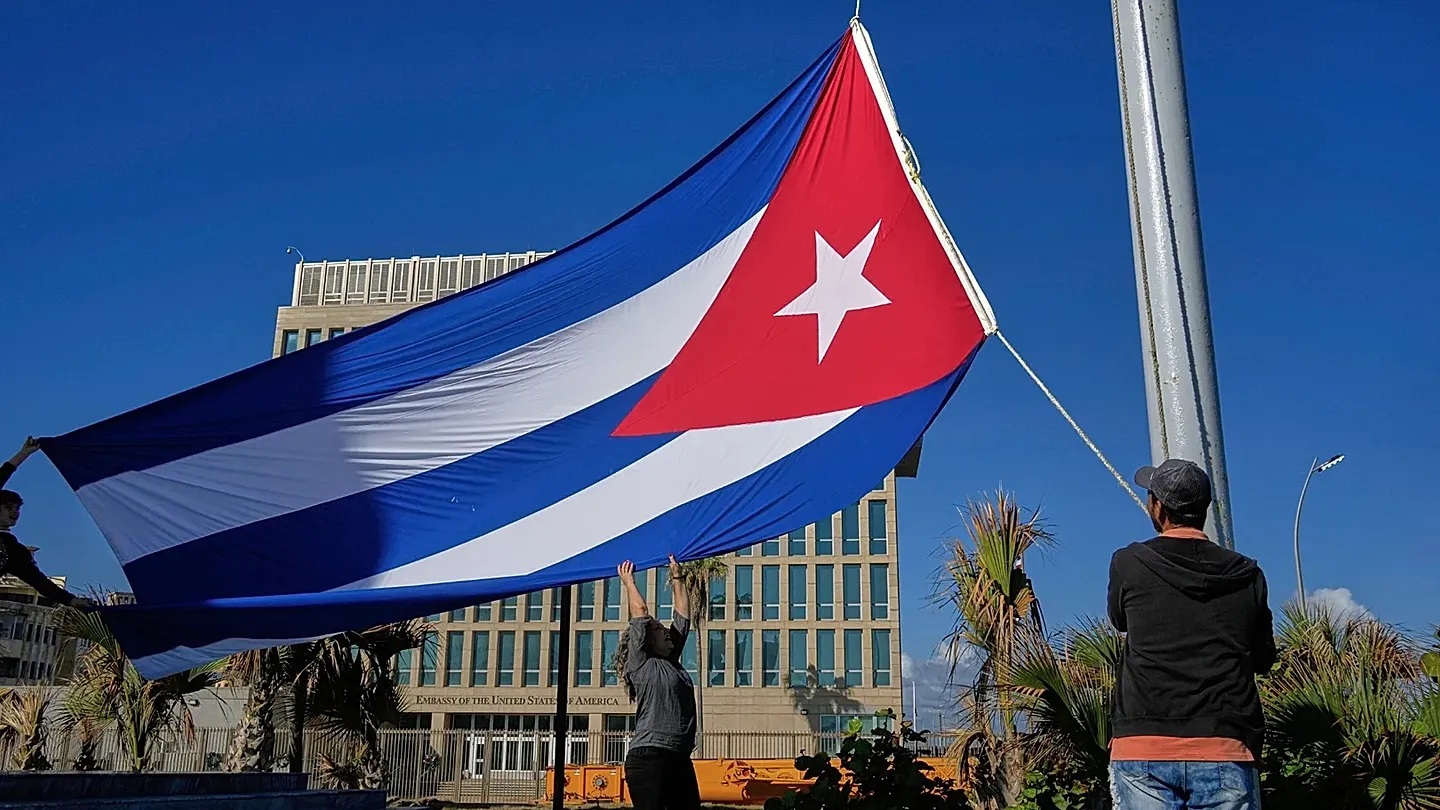
Relations between Cuba and the United States have evolved through alternating periods of confrontation and limited rapprochement.President Barack Obama's administration initiated a significant diplomatic opening in 2014. Embassies reopened. People-to-people exchanges expanded. Several restrictions were eased.
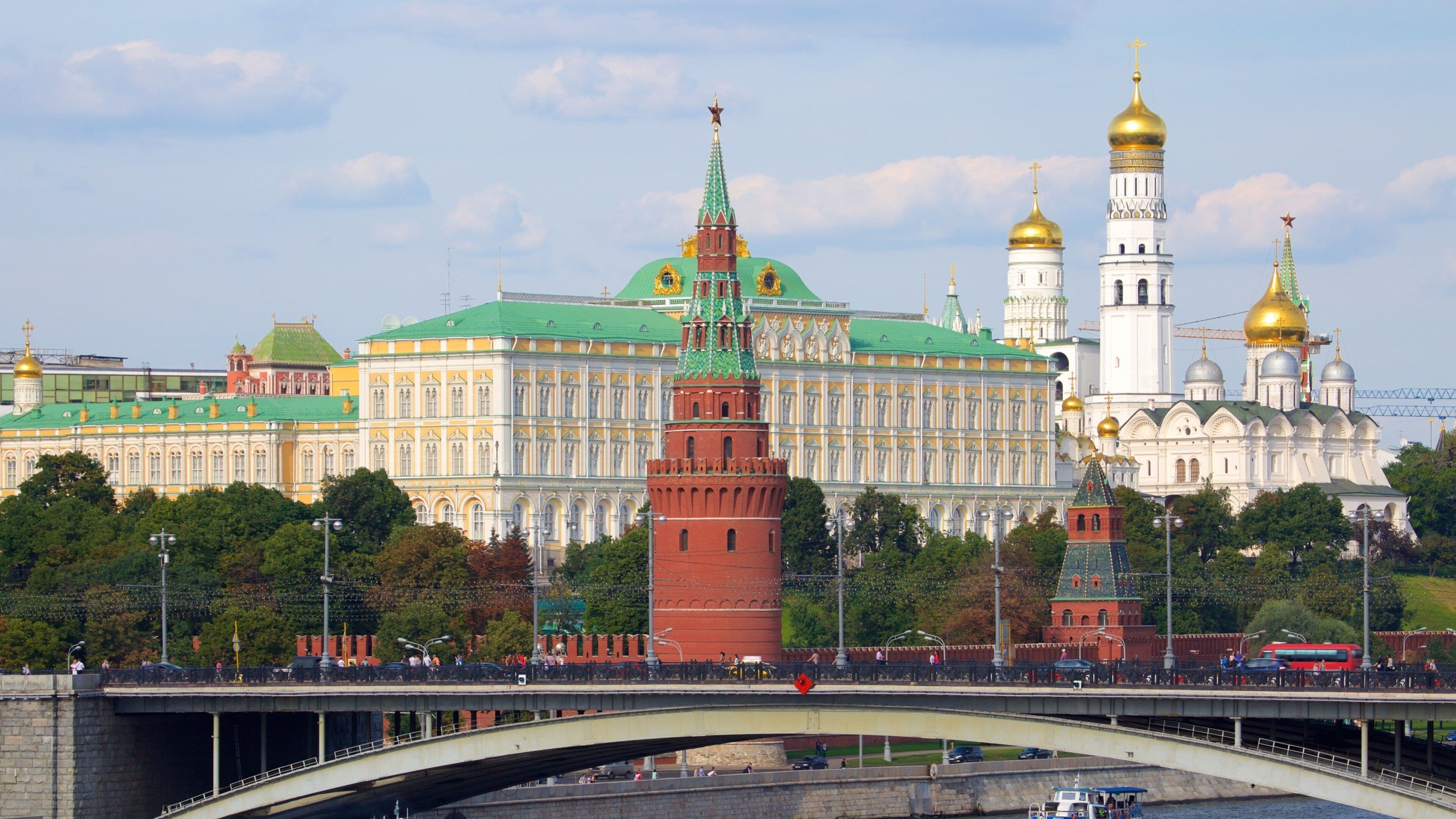
This normalization process later slowed, while most economic sanctions remained in place. At the same time, Cuba diversified its international partnerships. Russia continues to serve as an important political partner.
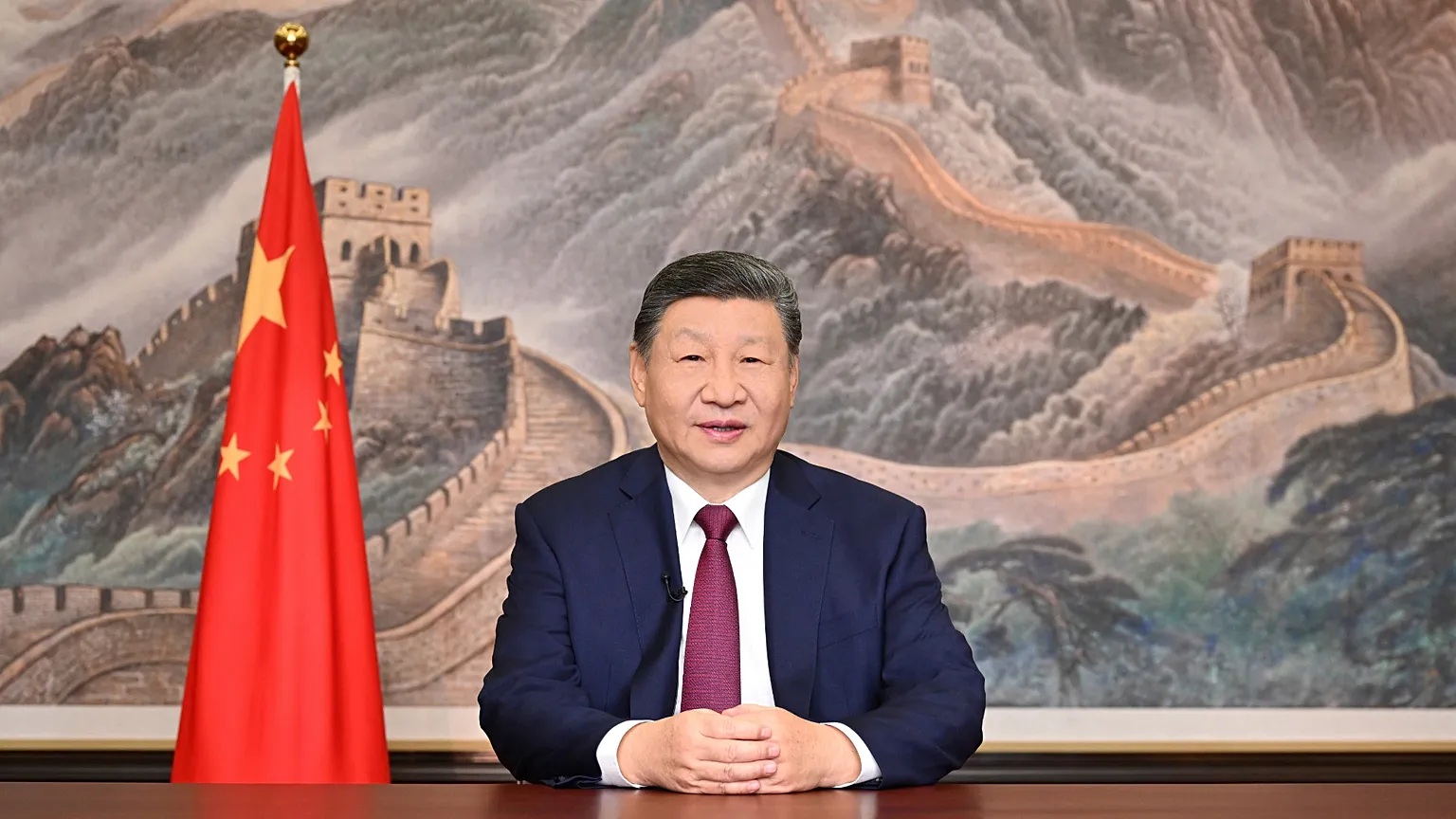
China has steadily expanded its economic presence through infrastructure projects, telecommunications and investment.
For many years, Venezuela supplied Cuba with vital energy resources in exchange for extensive medical cooperation. Cuban diplomacy also remains active within the Non-Aligned Movement, the Community of Latin American and Caribbean States (CELAC) and other organizations representing the Global South.
Contemporary Challenges
Today, Cuba faces multiple structural challenges simultaneously. The population is aging rapidly. Emigration has reached historically high levels, driven by economic hardship and limited opportunities for many young Cubans.
Inflation has significantly reduced household purchasing power. Food shortages, electricity outages and supply chain disruptions continue to affect daily life. The growing availability of internet access has also transformed the flow of information and public expression.
The nationwide protests of July 2021 reflected new forms of social discontent on a scale not witnessed for decades. These developments require policymakers to balance political stability, economic adaptation and the preservation of the country's longstanding social achievements.
Cuba's Future
Cuba's future will largely depend on its ability to reconcile several competing priorities. The first is modernizing an economy whose low productivity continues to constrain long-term growth. The second involves attracting greater foreign investment while preserving state control over sectors regarded as strategically essential.
The third concerns demographic change. Declining birth rates, population aging and sustained emigration are steadily reducing the country's economic potential.
Finally, Cuba must continue adapting its foreign policy to an increasingly fragmented international environment shaped by China's growing influence, Russia's renewed global role and the broader redistribution of geopolitical power.
The country possesses important strengths: a highly educated population, a well-developed healthcare system, internationally recognized medical expertise and a strategic location at the heart of the Caribbean. Yet these advantages will only translate into sustainable prosperity if economic reforms generate meaningful improvements in productivity, investment and living standards.
More than sixty-five years after the triumph of the revolution, Cuba remains one of the world's most distinctive political experiments. Its experience demonstrates that a system can deliver remarkable social achievements while simultaneously facing profound economic constraints. Balancing fidelity to its revolutionary legacy with the necessity of gradual adaptation, Cuba continues a transition whose outcome will help shape its role across the Americas in the decades ahead.
Primary Sources
Constitution of the Republic of Cuba. National Office of Statistics and Information of Cuba (ONEI). United Nations (UN). World Bank. International Monetary Fund (IMF). United Nations Economic Commission for Latin America and the Caribbean (ECLAC). World Health Organization (WHO). United Nations Educational, Scientific and Cultural Organization (UNESCO). Food and Agriculture Organization of the United Nations (FAO). International Labour Organization (ILO). Stockholm International Peace Research Institute (SIPRI). Academic literature on the Cuban Revolution, Cuba's political economy and inter-American relations.
Atlas Observer Research Desk
Atlas Observer’s editorial and analytical desk.